
E-commerce SEO
E-commerce SEO for Businesses, Measured in Revenue.
E-commerce SEO for businesses that sell online has to follow shoppers across Google, product results, marketplaces and, increasingly, AI-powered search. As an ecommerce SEO agency, we build strategies that help the right products and categories get found at the right stage of the buying journey.
Free initial review · No obligation · Reply within 1 business day
- Technical SEO
- Product & category optimization
- Search intent
- AI search
Search market
Shoppers compare across search, marketplaces and AI
Shoppers search for a product, a category or one specific attribute. They compare brands, check reviews, look for alternatives and move between Google results, product listings, marketplaces and AI-powered search before they buy.
Thousands of product pages won’t win organic search on their own. The stores that rank well match each search to the one page that answers it best.

Category searches
High-intent searches often start at the category level, so category page rankings usually carry more commercial weight than any single product.
Product searches
Product pages need to match specific commercial intent: model, size, material, color and the details shoppers actually type.
Comparison searches
Buyers compare brands, features, prices and alternatives before purchasing. Stores that help with that decision stay in it.
Long-tail searches
Very specific searches can show strong buying intent even when the volume is low.
The challenges
Where online stores lose organic traffic
Large catalogs
Thousands of URLs compete for crawl attention. The pages that make money need to be the ones search engines see first.
Filters and faceted navigation
Every color, size and price filter can create a new URL. Left unmanaged, that wastes crawling and splits relevance.
Variants and duplication
Sizes, colors and near-identical products can create duplicate pages and canonical tags that point the wrong way.
Thin product pages
Manufacturer descriptions copied across many stores give search engines little reason to choose yours.
Out-of-stock and discontinued products
Removing them carelessly loses links and visibility. Keeping them carelessly frustrates shoppers. Each needs a rule.
Weak category architecture
Flat or confusing hierarchies and thin internal linking make it hard to rank your most important categories.
How buyers search
How shoppers move from browsing to buying
Most stores only target the last step. A stronger strategy supports several stages, so the store is already in the shopper’s path when they are ready to buy.
- Needwhat shoes for a half marathon
The shopper is working out what they need.
- Categorybest running shoes
They look at a category and the options in it.
- Productnike pegasus 41
They search for a specific product or model.
- Comparisonnike pegasus vs brooks ghost
They compare products, features and prices.
- Transactionbuy nike pegasus 41 size 10
They are ready to buy and choosing where.
- After purchaserunning shoe size guide
Sizing, returns and accessories bring them back.
The opportunity
Win the long tail of buyer intent
Not every valuable search has big volume. In e-commerce, highly specific searches often carry stronger purchase intent. Searches like these, for example:
- “men’s waterproof hiking shoes size 10”
- “black office chair with headrest”
- “wireless mechanical keyboard under $100”
- “organic fertilizer for tomato plants”
Each one tells you what the shopper wants and how close they are to buying. The work is deciding which page should answer it.
Mapping intent
Where that intent should land
Depending on the search, we map it to:
- Category pages
- Product pages
- Collection pages
- Comparison content
- Buying guides
- Supporting content that links back to the pages that sell
Not sure which of your category and product pages are actually visible? We’ll review them before our call.
Get an E-commerce SEO StrategyStrategy + technical
What the site needs to get right
E-commerce search engine optimization means doing the search strategy and the technical work at the same time. Good category content won’t rank if filters are wasting crawl budget, and a clean site won’t sell if the pages don’t match what shoppers search for.
Search & content
- Category targeting based on real demand
- Product page optimization
- Search intent mapping across the catalog
- Commercial content that helps shoppers decide
- Buying guides where they support the category
- Internal linking between categories, products and guides
Technical
- Crawlability across a large catalog
- Indexation of the pages that earn revenue
- Canonical URLs for variants and duplicates
- Faceted navigation rules
- Product structured data, where appropriate
- Site architecture that scales with the catalog
AI search
Product research has moved into AI answers too
Shoppers now ask AI tools to compare two jackets, explain what to look for in a running shoe or suggest something cheaper. The answers pull from product pages and buying guides that state the facts plainly. For a store, that means:
See AEO & AI SEO- Sizes, materials, dimensions and compatibility written out on every product page
- Product structured data that matches the price and stock shoppers see
- Buying guides based on products your team has actually handled
- The same brand and product names on your site, marketplaces and feeds
- Category pages that explain how the range differs
Relevant services
How we help e-commerce businesses
E-commerce SEO
Online store SEO services for organic visibility and product discovery across category, product and commercial searches.
Explore E-commerce SEOTechnical SEO
Fix the crawl, indexation, architecture and canonical issues that limit organic visibility.
Explore Technical SEOAI SEO
Make product and brand details easy for AI search tools to read and quote.
Explore AI SEOE-commerce Ads
Shopping, Performance Max and other paid acquisition, when paid search supports the plan.
Explore E-commerce AdsKeep exploring: how we run SEO engagements, our full SEO services, other industries or the latest search insights.
Our approach
How we build e-commerce search growth
The order shifts with the catalog, the platform and what the data shows.
Business & catalog
Products, margins, categories and commercial priorities.
Search demand
Product, category, competitor and long-tail searches.
Technical setup
Crawlability, indexation, architecture and other technical barriers.
Category & product
Improve the pages that carry the most commercial search demand.
Content & authority
Supporting content and topical relevance around priority categories.
Measure & iterate
Visibility, qualified organic traffic and commercial outcomes.
Why GrowthFueling
SEO measured against revenue
Case study
Results we can show you
An anonymized case study from this industry, with the evidence behind it.
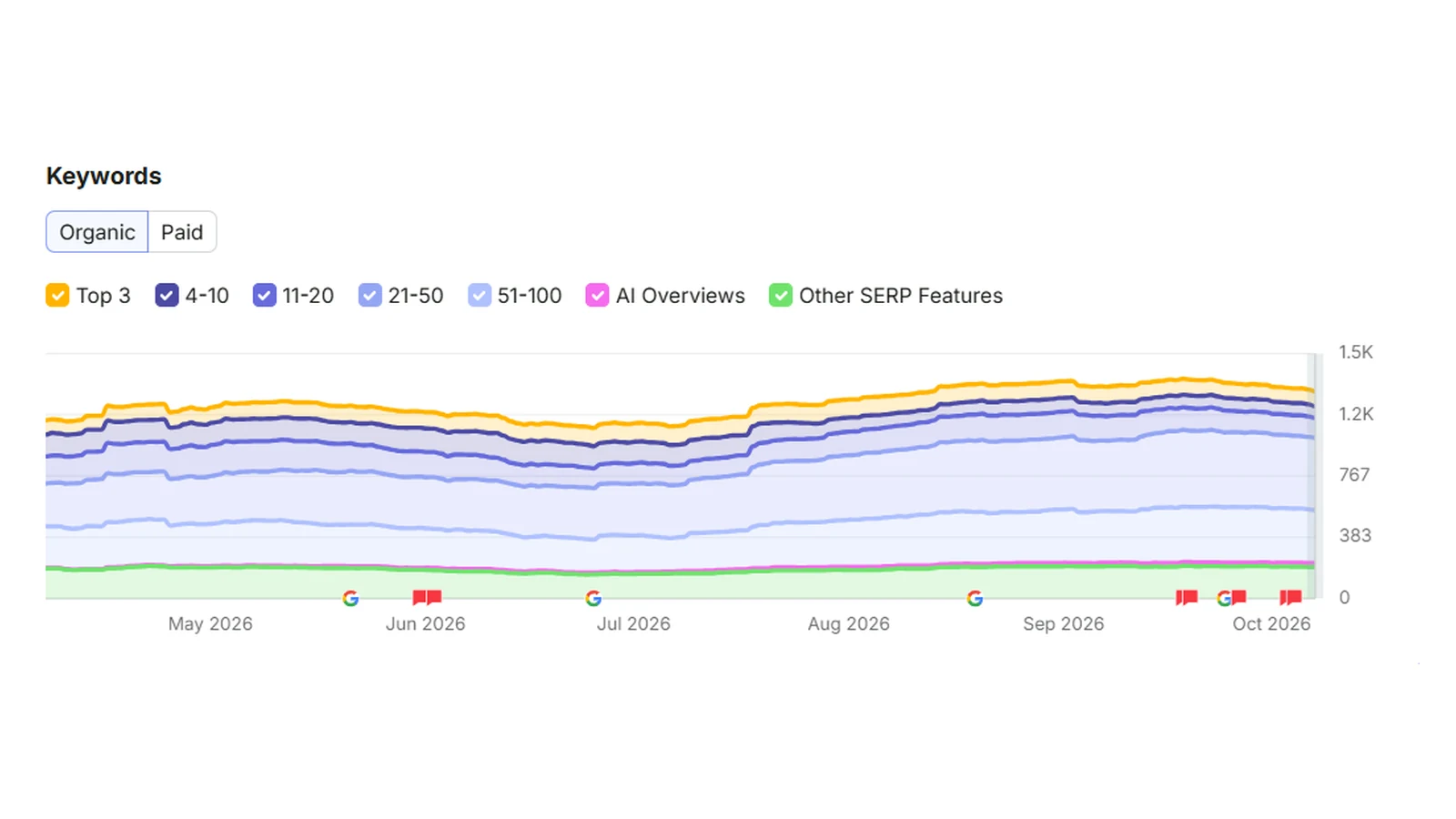
Organic visibility for a home improvement e-commerce business with local service areas
Home improvement e-commerce business
What we'd measure for you
- Organic visibility for category and product searches
- Qualified organic traffic
- Performance of commercial landing pages
- Organic revenue and transactions, where tracking allows
Related
Often paired with E-commerce SEO
Depending on the store, these can support e-commerce search growth.
What does e-commerce SEO involve for an online store?
Making the store’s categories, products and supporting pages visible for the searches shoppers use, while keeping the site structure clean enough for search engines to crawl and understand a large catalog.
How is e-commerce SEO different from regular SEO?
Scale and structure. A store has hundreds or thousands of similar pages, filters, variants and stock changes. Much of the work is deciding which pages should rank, and stopping the rest from getting in the way.
Can SEO help an online store increase revenue?
It can, when the work targets searches with commercial intent and the pages convert. Where tracking allows, we measure organic revenue as well as traffic. The result depends on demand, competition, pricing and the site itself.
Should I optimize product pages or category pages first?
Usually category pages, because they match broader commercial searches and pass authority to products. Product pages come first when shoppers search for specific models or part numbers. The data decides.
How do you handle large e-commerce websites?
We start with crawl and indexation data, set rules for filters, variants and out-of-stock products, then work through templates rather than page by page, so fixes apply across the catalog.
Can SEO and Google Shopping work together?
Yes. Shopping ads and organic listings often appear for the same searches. Clean product data and strong category pages help both, and paid data can show which products and terms are worth targeting organically.
Do you do SEO for D2C brands?
Yes. D2C brands often compete with marketplaces and retailers selling the same products, so the work focuses on the searches where the brand’s own store can be the better answer: category terms, product questions and branded searches. If you’re comparing a Shopify SEO agency with a generalist, ask how each would handle your catalog. Shopify, WooCommerce and custom builds each have their quirks, but the priorities still come from the catalog and the data.
Should I invest in SEO for my own store or rely on marketplace listings?
Most brands end up needing both. Marketplaces bring ready demand, while your own store keeps the margin, the customer data and the relationship. SEO for online stores targets the searches where a marketplace isn’t the only answer, and we look at where your products already appear before deciding where to start.
E-commerce SEO
Get an SEO strategy for your e-commerce business.
Tell us about your store, product categories, market and current search challenges. We’ll look at where organic search can contribute to growth.
Turn search demand into organic sales.
Your products only generate organic revenue when shoppers can find the right pages at the right time. Let’s look at where your e-commerce search strategy stands and what should happen next.